

Join Santhigiri Institute of Management and experience value-based management education designed to build responsible leaders and successful professionals.
Welcome to Santhigiri Institute of Management

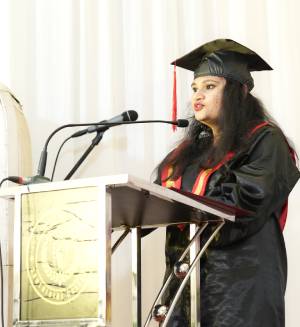


Join over 600+ students
Santhigiri Institute of Management is committed to a transparent, merit-based, and equitable admission system that reflects the institution’s core values of integrity, inclusiveness, and academic excellence. The admission process follows the guidelines of Mahatma Gandhi University, Kottayam, and relevant statutory bodies to ensure fairness, accountability, and quality in student selection.
SIM upholds a non-discriminatory admission process that provides equal access to all eligible applicants irrespective of caste, religion, gender, socioeconomic background, or any other form of distinction. The institute fosters an inclusive learning environment where diversity is valued and respected.
Santhigiri Institute of Management offers the MBA and Integrated MBA programmes under Mahatma Gandhi University. Details such as eligibility requirements, intake capacity, selection procedures, and academic regulations are published annually in the official admission prospectus and on the institute’s website.
Eligibility norms for each programme strictly adhere to Mahatma Gandhi University regulations and the guidelines of statutory bodies. Applicants must fulfil the minimum academic qualifications and other criteria prescribed for the MBA programme.
The admission process includes online/offline application, Group Discussion and Personal Interview. The schedule shall be intimated by the college authorities in accordance with the norms of the regulatory bodies.
Candidates are required to submit their applications within the stipulated timeline along with all supporting documents.
Incomplete or late applications will not be considered.
Admissions to SIM are based on merit as determined by the qualifying examination, entrance test scores, Group Discussion and Interview scores and University rules. A provisional rank list is published to ensure transparency and allow applicants to report discrepancies. The final rank list is released after verification, enabling applicants to view their admission status openly and transparently.
SIM strictly follows the reservation norms prescribed by the Government of Kerala and Mahatma Gandhi University. Seats are allocated according to the statutory reservation categories and guidelines in force at the time of admission.
Selected candidates must undergo physical and/or digital verification of certificates to validate their academic credentials and identity. The institute reserves the right to withdraw admission if false or misleading information is found in the submitted documents.
The fee structure for all programmes is determined in accordance with the regulations of Mahatma Gandhi University and institutional policies. Detailed information regarding tuition fees, and other charges is made available through the college website and official communications.
Withdrawal of admission and refund of fees will follow the rules set forth by Mahatma Gandhi University, AICTE and applicable state government regulations. Applicants are encouraged to review these policies prior to seeking withdrawal.
A dedicated admission grievance redressal system is in place to address concerns or issues raised by applicants. The Admission Committee and institutional authorities ensure timely and fair resolution of grievances.
The Admission Policy is periodically reviewed to ensure alignment with University regulations, statutory requirements, and evolving institutional needs. Any revisions or updates will be officially communicated through the institute’s website and other authorized channels.
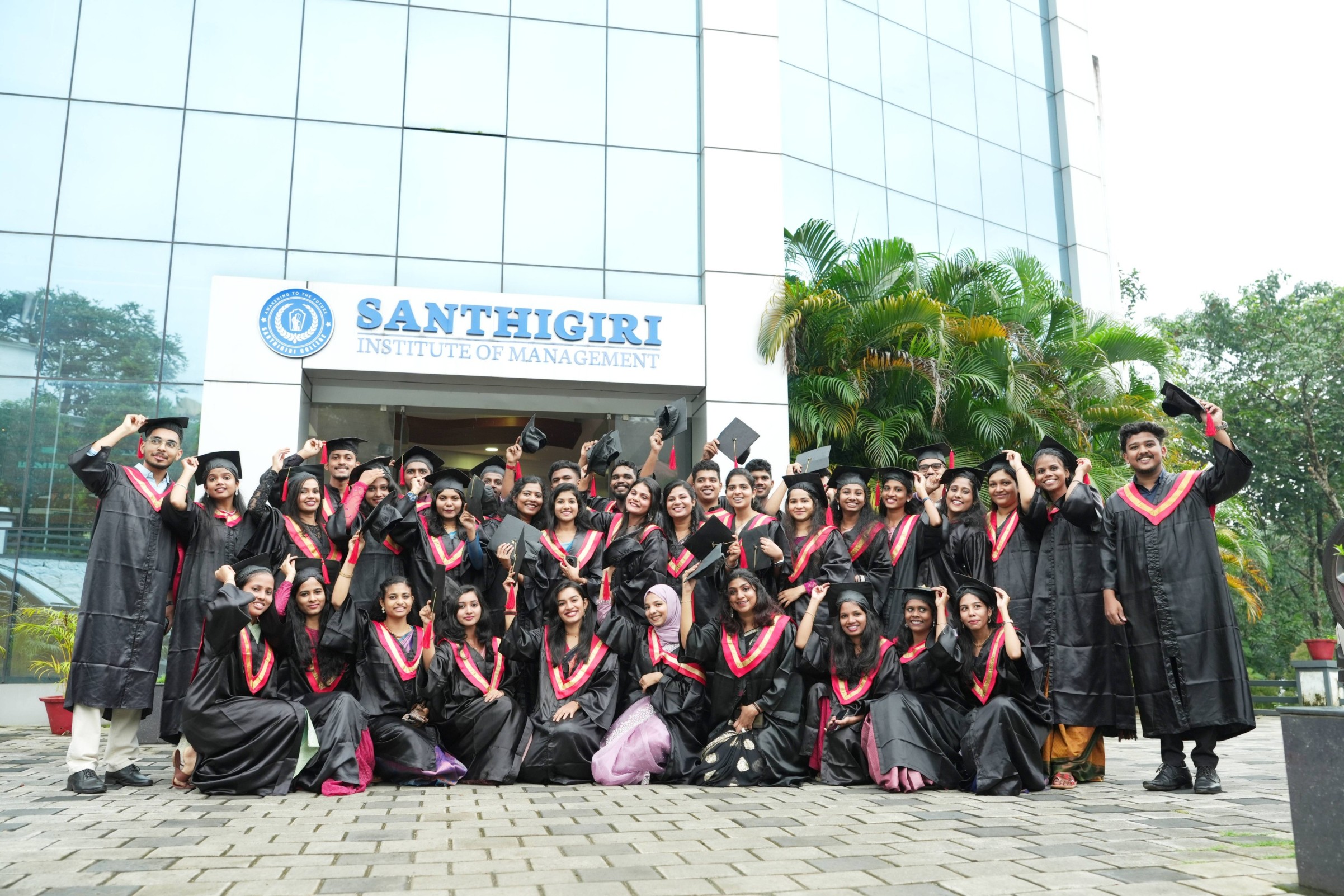
Santhigiri Institute of Management (SIM) is committed to advancing the transformative vision of the National Education Policy (NEP) by fostering an inclusive, learner-centric, and future-ready academic environment. In alignment with NEP guidelines, SIM integrates innovation, flexibility, and multidisciplinary learning into its curriculum and institutional practices. The institute actively promotes a culture of excellence where students are empowered with holistic competencies, ethical values, and leadership capabilities essential for succeeding in an evolving global ecosystem.
Grounded in the legacy of the CMI Congregation’s commitment to education, SIM ensures that the principles of NEP—access, equity, quality, affordability, and accountability—are reflected across its academic delivery, governance, and student development initiatives. The institute consistently enhances its programmes, pedagogy, and institutional systems to prepare MBA graduates who are industry-ready, socially conscious, and capable of lifelong learning.
Curriculum structured to promote conceptual understanding, analytical skills, creativity, and real-world application.
Exposure to various interdisciplinary subjects through value-added courses, certificate programmes, and experiential learning components.
Well-defined Programme Outcomes (POs), Programme Specific Outcomes (PSOs), and Course Outcomes (COs) mapped to NEP standards.
Continuous assessments and feedback mechanisms ensure measurable learning outcomes and student progression.
Elective offerings and specializations designed to provide students with flexibility in choosing learning pathways aligned with their interests and career goals.
Integration of MOOCs, open learning platforms, and blended learning modes to broaden academic options.
Adoption of digital platforms, learning management systems, simulation tools, and ICT-supported pedagogy.
Smart classroom infrastructure facilitates interactive learning and enhances student engagement
Regular industry interactions through internships, live projects, industrial visits, and expert sessions.
Curriculum aligned with current industry trends, ensuring students are prepared for emerging market demands.
Encouragement for student and faculty research through research cells, conferences, and publications.
Support for entrepreneurial initiatives via incubation support, innovation workshops, and mentoring programmes.
Integration of ethics, social responsibility, and professional values into academic and co-curricular activities.
Community engagement initiatives aligned with NEP’s focus on creating socially responsible citizens.
Structured skill development programmes including soft skills, aptitude training, communication development, and placement readiness initiatives.
Collaboration with industry partners for training certifications and capacity-building programmes.
Mentoring systems, counseling support, and personalized attention to ensure holistic student well-being.
Equal opportunities and support services for diverse learners.
Internal Quality Assurance Cell (IQAC) actively monitors NEP-linked reforms and institutional performance.
Regular reviews, audits, and feedback-driven enhancements strengthen academic and administrative processes..
To be eligible for admission to the MBA program at SIM, the candidate must:
The admission schedule is published on the SIM website and the notice board.
Notifications are aligned with MG University, AICTE and the Government of Kerala guidelines.
Important dates for the application, entrance exam results, GD/PI, and counselling will be published from time to time.
Applications can be submitted online or offline using the prescribed application form.
Application fee to be paid as notified by the institution.
Documents required with the application:
Copy of qualifying degree certificates and mark sheets
Equivalency/eligibility certificate (if applicable)
Migration certificate (if applicable)
Entrance exam score card (CMAT/KMAT/CAT)
Passport-size photographs
Community and income certificates (if applicable)
The selection is based on a merit-based ranking using::
Entrance Exam Score (CMAT/KMAT/CAT)
Group Discussion (GD)
Personal Interview (PI)
Academic performance and extracurricular achievements
Each component is assigned a weightage:
Entrance Exam Score: 80%
Group Discussion: 10%
Personal Interview: 10%
A rank list is prepared based on the composite score from the above criteria.
Candidates are called for counselling in the order of merit.
Selected candidates must confirm their admission by paying the admission fee and submitting original documents.
Admission is confirmed only after:
Payment of the prescribed fee
Submission and verification of original certificates
Submission of duly signed undertaking forms
Final approval from the ASC and MG University
Seats are reserved as per the norms of:
Government of Kerala
Mahatma Gandhi University
AICTE
Category-wise seat reservation is clearly specified in the prospectus and institutional website.
Admitted students must sign an anti-ragging affidavit.
Parents/guardians must also provide a declaration against ragging.
Ragging in any form is strictly prohibited and punishable as per law.
The institution reserves the right to amend the admission procedure to comply with changes from statutory authorities.
All admissions are provisional until approved by MG University.
A Merit-Based Scholarship will be offered to the eligible candidates admitted each year.
The scholarship amount and eligibility criteria will be finalised by the Executive Director/Management Representative before each admission season.
The scholarship details will be officially communicated to prospective candidates through brochures, websites, and digital campaigns before admissions commence.
MBA Fee Structure – 2026 Admissions
Application Fee : Rs. 500/-
Admission Fee : Rs. 10,000/-
Tuition Fee : Rs. 75,000/- per semester
Uniform : Rs. 6000/-
Hostel : Rs. 6000/- per month (Food and Accommodation)